Commercial Roof Replacement Cost: 2026 Guide for Building Owners
Dormer Solutions
|
October 13, 2026
Table Of Contents
Key Takeaways
Commercial roof replacement costs in 2026 typically fall between $5 and $12 per square foot for most systems, with standing seam metal and specialty assemblies pushing higher. A 20,000 sq ft TPO roof, for instance, might land between $160,000 and $240,000 all-in.
Roof size, material type, and labor costs are the three biggest drivers of your total project cost. Tear-off of the old roof and hidden repairs (wet insulation, deck damage) can add 15–30% to the bill.
Single-ply systems like TPO and EPDM, built-up roofing (BUR), and standing seam metal are the most common commercial roofing systems, each with different price and lifespan profiles.
Choosing an experienced contractor and doing the project right the first time almost always saves money versus chasing leaks and patching an old roof for years.
Energy-efficient roofing materials and upgraded insulation can offset part of the replacement cost through lower utility bills and potential tax incentives. Get at least two detailed quotes breaking out materials, labor, tear-off, and code upgrades to truly understand your roof replacement cost.
Why Commercial Roof Replacement Cost Matters
A commercial roof does more than keep rain out. It protects inventory, equipment, tenant operations, and the underlying structure of your building. Understanding commercial roof replacement cost in 2026 helps property owners plan capital budgets proactively instead of reacting to emergencies with expensive stopgap repairs.
There is no single “price per square foot” because every roofing system is different. A 5,000 sq ft retail plaza roof and a 50,000 sq ft warehouse have completely different commercial roofing needs, access challenges, and budgets. This article breaks down the key factors, typical ranges, and practical strategies to control cost for a new commercial roof.
The focus here is on low slope roofs and flat roofs commonly found on offices, warehouses, schools, and light industrial commercial buildings.
Commercial Roof Replacement Cost
What Drives Your Commercial Roof Replacement Cost?
Several key factors determine what you will actually pay. The most impactful include roof size, roofing material selection, labor costs, tear-off of the current roof, and required code upgrades. Understanding these drivers up front helps prevent “sticker shock” when you receive formal commercial roofing bids.
Most contractors estimate on a per-square-foot basis but adjust pricing heavily for roof complexity, access limitations, and existing conditions. The major cost components break down roughly as follows:
Materials (membrane, insulation, cover board, fasteners, flashing): typically 30% to 50% of total project costs
Labor (installation crew, tear-off labor, project management, safety): typically 35% to 60% of total roofing project costs
Tear-off and disposal of old roofing material
Permits and inspections
Contingencies for deck or structural repairs discovered after tear-off
Professional estimates consider roof size, complexity, and material choice, which is why a site visit matters far more than a phone quote.
Typical Commercial Roof Replacement Cost Ranges in 2026
Here are concrete 2026 cost ranges per square foot installed for common commercial roofing systems. These assume straightforward access and a single tear-off layer with a sound roof deck.
Roofing System
Cost Per Square Foot Installed
Typical Lifespan
EPDM rubber
$5.50–$10
20–30+ years
TPO single-ply
$7.50–$13.50
20–30 years
PVC single-ply
$7–$12
20–30 years
Modified bitumen
$7–$13
20–30 years
Built up roofing (BUR)
$4–$10
25–30+ years
Standing seam metal
$10–$18
40–60+ years
Commercial roof replacement costs range from $5 to $12 per square foot for the most common systems. Typical costs for commercial roofing materials alone range from $3.50 to $16.00 per square foot, with labor and accessories on top.
Practical example: Replacing a 20,000 sq ft TPO commercial roof could reasonably land between $160,000 and $240,000, depending on tear off scope, insulation thickness, and roof complexity. A 130,000 sq ft warehouse in Baltimore that needed a two-layer tear off and had roughly 24% wet insulation came in at approximately $1,235,000, or about $9.50 per square foot installed.
Coastal, big-city, or extreme-climate areas usually sit at the higher end of these ranges due to elevated commercial roofing costs for labor and material shipping. If large areas of decking or structural steel need replacement, total replacement cost can rise 20–40% above these baselines.
How Roof Size, Shape, and Access Affect Pricing
Square footage is the starting point for any commercial roofing quote, but geometry and accessibility quickly change the final number. Roof size significantly impacts material and labor costs, and the relationship is not purely linear.
Small roofs (under 10,000 sq ft): Higher per square foot range because mobilization, equipment, and crew costs are spread across fewer square feet.
Mid-size roofs (10,000–40,000 sq ft): Generally the “sweet spot” where per-unit costs stabilize.
Larger roofs (40,000+ sq ft): Larger commercial roof sizes usually lower the cost per square foot due to economies of scale, though the total project cost in absolute dollars is obviously higher.
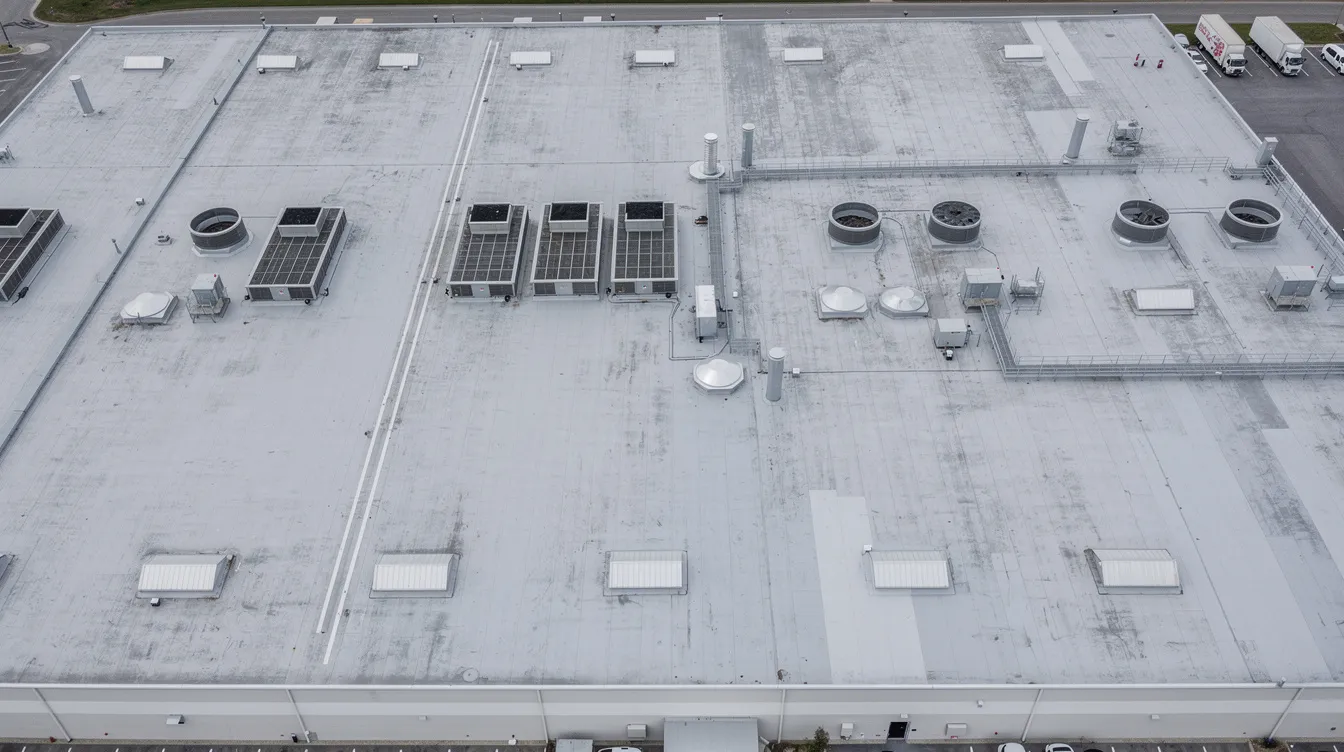
Roof complexity increases labor and material costs significantly. Multiple levels, parapet walls, skylights, rooftop HVAC units, vents, and other penetrations all demand more materials, more flashing work, and more crew hours. A multi story building with limited staging area or a busy downtown street that requires crane work and lane closures will see higher overall cost than an open-lot warehouse.
More complex roofs may also require longer project durations, which directly impacts labor costs and business disruption planning for the entire process.
Commercial Roof Replacement Cost
Roofing Materials: How Material Type Changes the Bill
Material type is one of the biggest levers in roof replacement cost and long-term performance. Different commercial roofing systems suit different building uses, climates, and budgets. The selection of roofing system can significantly affect the total project budget.
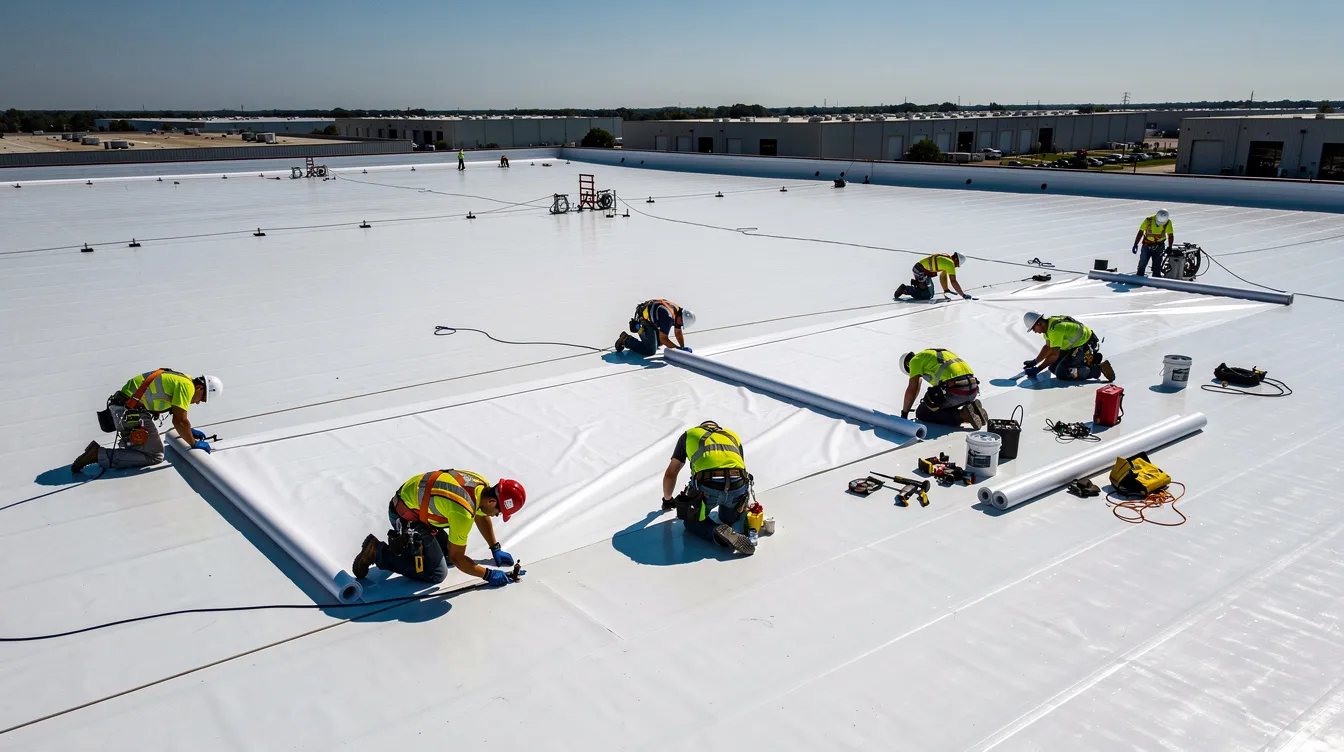
TPO single-ply: TPO roofing typically costs between $7.50 and $13.50 per square foot. It is energy efficient with reflective white surfaces, handles moderate foot traffic, and is a popular midrange choice. Lifespan runs 20–30 years with proper installation.
EPDM rubber: Lower initial material cost in the single-ply family. EPDM roofing can last 30 years or more with maintenance. Budget-to-midrange tier, suitable for large simple roofs with minimal foot traffic.
PVC single-ply: Premium chemical resistance and durability. Slightly higher upfront cost than TPO but excellent for buildings with rooftop restaurant exhaust or chemical exposure. Similar lifespan range.
Built up roofing (BUR): Multi-layer assemblies with a long track record. Built-Up Roofing installation costs range from $4 to $10 per square foot. Often heavier and more labor-intensive, but can last 25–30+ years and handles heavy foot traffic well.
Modified bitumen: A modern cousin of BUR, typically running $7–$13 per square foot. Good durability, 20–30 year lifespan, and handles thermal movement on larger roofs.
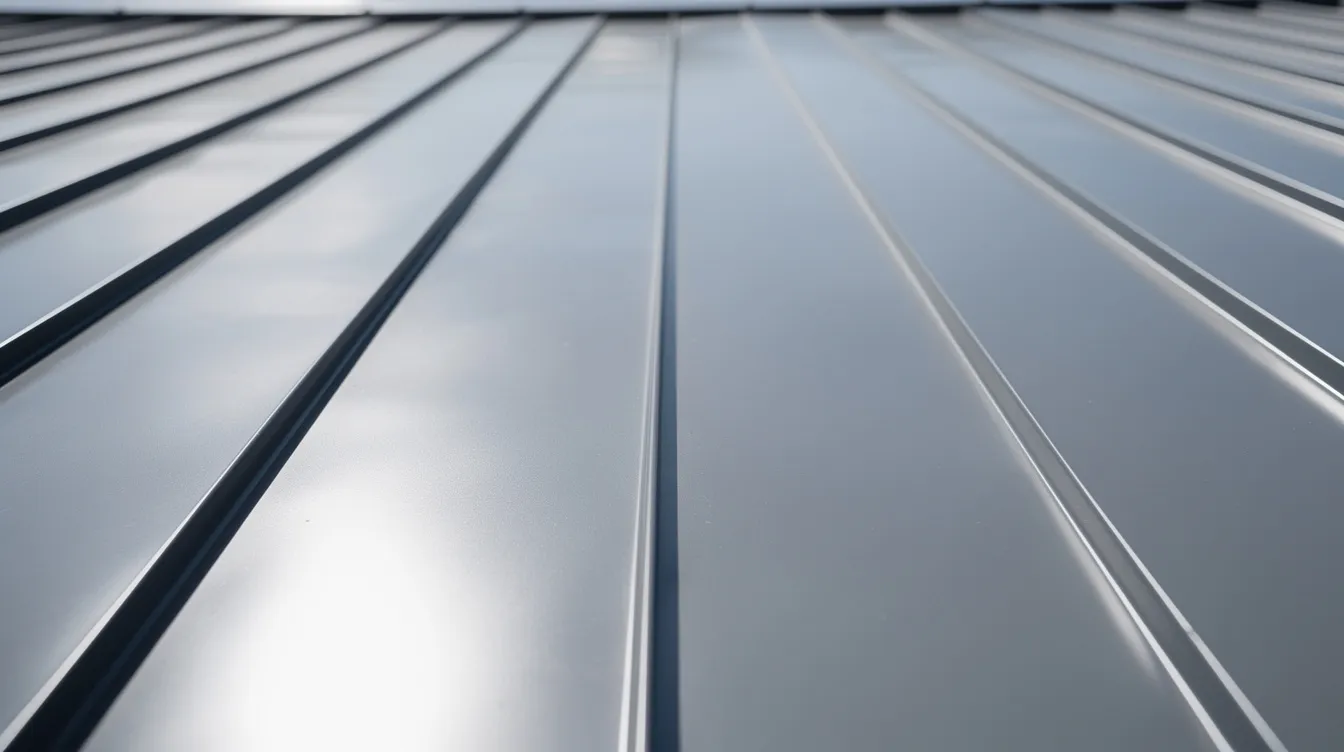
Standing seam metal: The premium option. Metal roofing costs between $8,000 and $24,000 for smaller replacements, with larger projects scaling per square foot at $10–$18+. Metal roofing can last over 50 years with proper installation, offering the longest roof’s lifespan of any common commercial system. The higher upfront cost pays off through decades of reduced maintenance and future replacements.
Upgrading insulation can significantly increase initial costs but is often required by current energy codes. Green roofing systems can cost between $12,000 and $40,000 or more, and are best treated as niche or add-on solutions compared with primary roofing systems.
When evaluating high quality materials, always weigh initial vs. life-cycle cost. Built up roofing and standing seam metal often cost more upfront but can deliver 30–50+ year service lives, reducing real cost per year and pushing out future replacements over a decade or more.
Commercial Roof Replacement Cost
Labor Costs and Doing It Right the First Time
Labor costs account for a significant portion of total replacement expenses-typically 40–65% of total installed cost for flat commercial roofs, with standing seam metal and more complex work trending toward the higher end.
The main elements making up labor costs include:
Removal crew for tear off of the existing roof
Installation team for the new commercial roof membrane, insulation, and flashing
Supervision, quality control, and safety personnel
Cleanup and disposal crews
Highly skilled crews certified by membrane and metal manufacturers may charge more per hour, but they usually install faster, with fewer callbacks and warranty issues, lowering lifetime costs for building owners.
Chasing the absolute lowest bid is one of the most common mistakes property managers make. Underpriced tear off labor can mean shortcuts on insulation fastening, seam welding, or flashing work that lead to costly repairs and premature failure.
Correct installation the first time is insurance against mid-life roof failures, business interruption, and voided extended warranties. It is also the difference between saving money over the full roof lifecycle and spending it twice.
Tear Off, Disposal, and the Condition of Your Current Roof
What lies beneath your current roof-number of layers, wet insulation, and deck condition-has a major impact on commercial roof replacement cost. Structural repairs may be necessary after removing the old roof, and these hidden costs catch many building owners off guard.
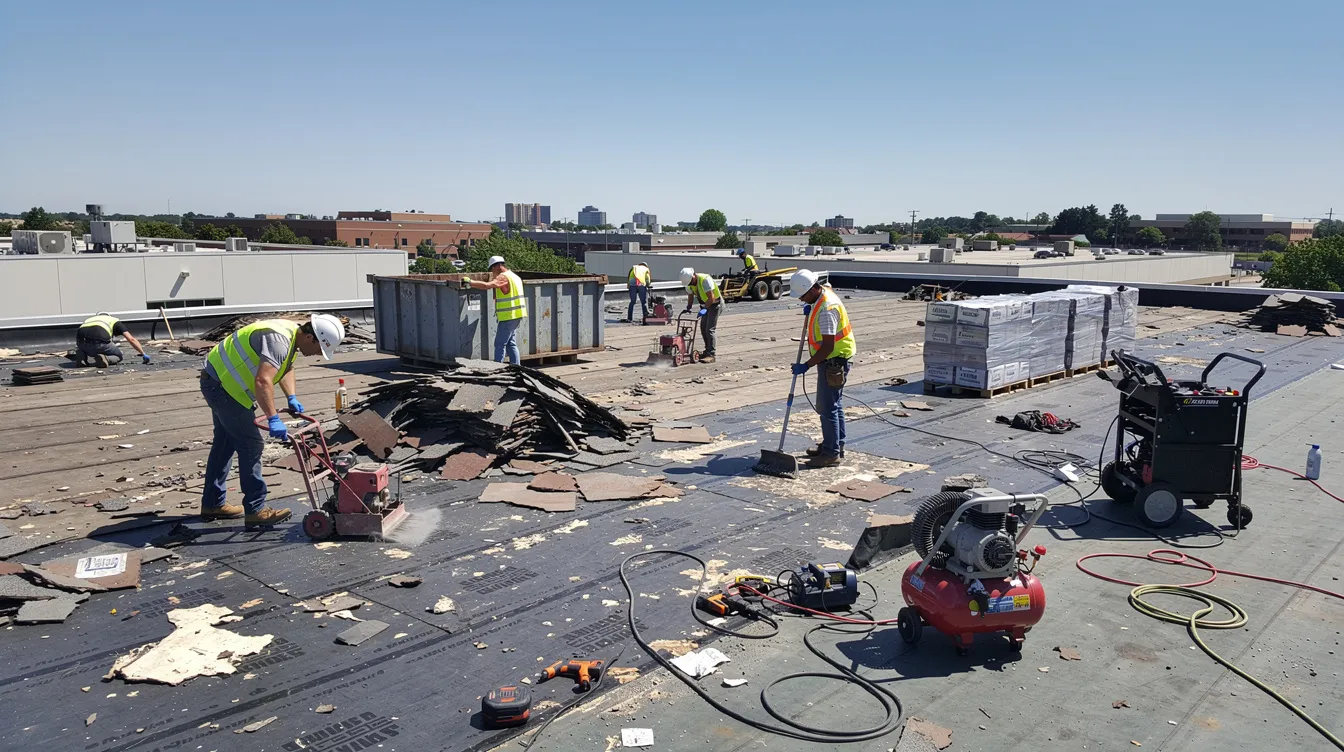
Tear-off pricing: Tear-off and disposal costs can add $1 to $3 per square foot. Multiple layers or heavy built up roofing push costs higher due to additional labor hours and landfill or disposal fees. Disposal fees can range from $1,000 to $1,500 on typical commercial roofing projects.
Deck and insulation inspection: Core samples and infrared scans may reveal wet insulation or rusted decking that must be replaced before the new roofing system is installed. A thorough roof inspection identifies potential issues before replacement begins.
Repair costs: Replacing damaged metal deck panels, rotted wood decking, or saturated insulation within the underlying structure can add tens of thousands of dollars on large projects, but is essential for a durable new commercial roof.
Code limits on layers: Some local building codes limit how many layers of old roof can remain. When that limit is reached, a full tear off is mandatory and should be budgeted early-not treated as a surprise that inflates the total replacement cost.
Commercial Roof Replacement Cost
Location, Climate, and Building Code Impacts
Commercial roofing in harsh climates often requires beefier roofing systems and higher-grade materials. Whether you are dealing with heavy snow loads, hurricane-prone coasts, or high-UV desert conditions, the climate directly shapes the project scope and cost.
Local building codes adopted between 2020 and 2026 have pushed many areas toward higher insulation R-values, improved wind uplift resistance, and better fire ratings. Each of these requirements can raise the initial roof replacement cost. Local building codes may require specific windstorm compliance for roofing materials and installation, particularly in storm-prone areas.
Concrete examples of how climate and codes shape costs:
Coastal/hurricane regions: Wind uplift requirements influence attachment methods for commercial roofs in areas like Houston. Enhanced edge flashings and secure fastener patterns add material and labor.
Hot/humid markets: Energy-efficient roofing materials like TPO and PVC are commonly favored in Houston due to the climate. Proper insulation is important to meet energy codes and address moisture issues in humid regions. Drainage design is crucial in flat roofing due to potential ponding water issues.
Cold/snow belt regions: Additional insulation thickness, thermal breaks, and ice dam detailing at eaves and drains increase material costs.
Labor markets differ too. Metropolitan areas with high cost of living and strong union presence see higher commercial roofing labor costs versus rural regions. Permit fees can range from a couple hundred to several hundred dollars, and plan review fees, on-site inspections, and special engineering for wind or seismic conditions should all be accounted for as part of total roof replacement cost.
Repair vs. Replacement: When a New Commercial Roof Is the Better Value
Many property owners patch an old roof for years, but at some point replacement is cheaper than constant leak repairs, business disruption, and rising energy bills. A thorough roof inspection identifies the tipping point and reveals the true roof condition.
Typical lifespans give you a baseline: 15–25 years for many single-ply systems, 20–30+ years for quality built up roofing or modified bitumen, and 40–60+ years for standing seam metal. Recurring leaks near end of life are a strong signal to evaluate full replacement.
Signs the old roof has reached end of life:
Widespread membrane cracking or seam failure
Ponding water across large areas
Numerous patches and costly repairs becoming routine
Wet insulation over more than a quarter of the roof area
Escalating HVAC and cooling costs from compromised insulation
Spending 40–50% of full replacement cost on major repairs that only add 2–3 more years of life is usually poor value compared with investing in a new commercial roof that resets the clock. Ask your commercial roofing contractor for a repair-vs-replace analysis, including projected 5–10 year costs under each scenario, before committing either way.
How to Budget Smartly and Compare Commercial Roofing Quotes
Clear, line-item estimates make it easier to understand why roof replacement cost quotes differ and to compare contractors fairly. Detailed estimates help avoid unexpected costs during roofing projects.
Building owners should add a 10–20% contingency in their realistic budget for unforeseen issues discovered after tear off, especially on older buildings or roofs with chronic leak histories.
Property managers should solicit at least two or three quotes for the same roofing system and project scope. Comparing multiple professional estimates aids informed decision-making-evaluate not just price but also warranty terms, schedule, and contractor experience with similar commercial roofing projects. Professional inspections provide tailored estimates for accurate budgeting, and a professional estimate grounded in a site visit is always more reliable than a phone quote.
Finally, consider total cost of ownership: upfront price plus expected maintenance costs, energy savings, and the building size and roof’s expected lifespan of the selected roofing system. That perspective turns a significant investment into a measurable financial decision rather than a guessing game.
The Benefits and Long-Term Value of a New Commercial Roof
A properly designed new commercial roof is an asset that protects the building, reduces operating costs, and increases property value. Done right, it delivers returns over a decade or more.
Risk reduction: Fewer leaks mean lower chances of damaged inventory, equipment downtime, mold growth, and interior build-out repairs. Routine inspections and a sound membrane keep costly repairs at bay.
Energy efficiency benefits: Modern reflective roofing materials, improved insulation, and better detailing reduce heating and cooling costs. Reflective white TPO or PVC can lower roof surface temperatures by 40–60°F in summer, translating into meaningful energy savings that help stabilize energy bills from 2026 onward.
Financial advantages: Longer manufacturer warranties, lower maintenance budgets, and in some jurisdictions, possible tax deductions or accelerated depreciation for commercial roofing upgrades. Extended warranties from premium systems protect your investment for decades.
Cost effectiveness: While commercial roof replacement cost is a significant investment, planning and quality installation turn that cost into a long-term asset rather than a recurring emergency expense. The real cost of a commercial roof is measured over its full lifespan-not just the initial check.
How much does a 10,000 sq ft commercial roof replacement typically cost in 2026?
For a straightforward 10,000 sq ft low-slope roof with one existing layer and a sound deck, building owners can expect roughly $70,000–$130,000 for common commercial systems like TPO, EPDM, or PVC. Built up roofing and standing seam metal fall near the top or above that square foot range. Complex access, multiple roof levels, or major deck repairs can push totals higher, so a site-specific inspection and detailed estimate are always needed for a firm number.
Is it cheaper to install a new roof over my current roof instead of a full tear-off?
In some regions, codes allow one recovery layer over a sound existing roof, which can save $1–$3 per square foot in tear-off and disposal costs. However, if the old roof has wet insulation, structural issues, or has already reached the maximum number of layers allowed by local building codes, a full tear-off is required and usually the safer long-term option for protecting the underlying structure.
Do energy-efficient commercial roofing systems really lower operating costs?
Yes. Reflective membranes like white TPO or PVC and upgraded insulation often reduce summer roof surface temperatures significantly, translating into measurable HVAC energy savings in many climates. The payback period depends on energy rates, building usage, and climate zone, but many property owners see meaningful savings over the first 5–10 years of the new commercial roof, helping offset the higher upfront cost.
How long should I expect a new commercial roof to last before replacement?
General ranges: 15–25 years for many single-ply roofing systems when properly installed, 20–30+ years for quality built-up roofing or modified bitumen, and 40–60+ years for standing seam metal roofs. Regular routine inspections, maintenance, and prompt repairs are crucial to reaching the higher end of these lifespan ranges and maximizing cost effectiveness.
What’s the best way to avoid unexpected cost overruns on a roofing project?
Insist on a detailed scope of work, request allowances or unit prices for potential deck repairs, and budget a contingency reserve of 10–20% of the projected roof replacement cost. Schedule a pre-job meeting with the commercial roofing contractor to discuss access, protection of landscaping and equipment, and how any change orders will be documented and approved. This level of planning is the single best tool for keeping your realistic budget intact and saving money on the entire process.
Deciding to replace a flat roof is a big call. Whether you manage a warehouse, a retail building, or a house with a low-slope section, the contractor you hire will…
Selecting the right commercial roofing materials replacement is a critical financial and operational decision that directly impacts your facility’s long-term maintenance costs, structural integrity, and energy consumption. Modern commercial roofing…
Calculating the total commercial roof replacement cost Houston is one of the most critical decisions facing commercial property owners, real estate developers, and facility managers across the Greater Houston market.…