Flat Roof Replacement Contractors: How to Choose the Right Pro for Your Roof
Dormer Solutions
|
October 13, 2026
Table Of Contents
Deciding to replace a flat roof is a big call. Whether you manage a warehouse, a retail building, or a house with a low-slope section, the contractor you hire will determine how well that roof performs for the next two or three decades. This guide walks you through the signs that point to full replacement, the materials worth considering, and a practical framework for comparing flat roof replacement contractors before you sign anything.
Key Takeaways
Flat roof replacement is often the most reliable long-term fix once a roof is 15–25 years old, leaking in multiple spots, or showing widespread damage like ponding water, membrane splits, and failed flashing.
This article covers warning signs, material options (TPO, EPDM, modified bitumen), contractor vetting, and what to expect from a professional roofing project start to finish.
Material choice should match building use, climate, and budget-commercial flat roofs and residential roofing services each come with different requirements.
Written scopes, warranties, and help with insurance claims are non-negotiable when hiring a flat roofing company, especially after storm and hail damage.
Reputable contractors offer a free estimate, a detailed inspection, and a clear explanation of repair vs. roof replacement options before any work begins.
When You Actually Need a Flat Roof Replacement (vs. Just a Repair)
This section helps you decide whether to call flat roof replacement contractors now or schedule a smaller roof repair first. A flat roofing system requires different construction techniques than pitched roofs, so the warning signs look different too.
Warning signs that point toward full replacement:
Leaks appearing in multiple rooms or recurring leaks in the same area
Widespread bubbling, blistering, or splitting across the membrane
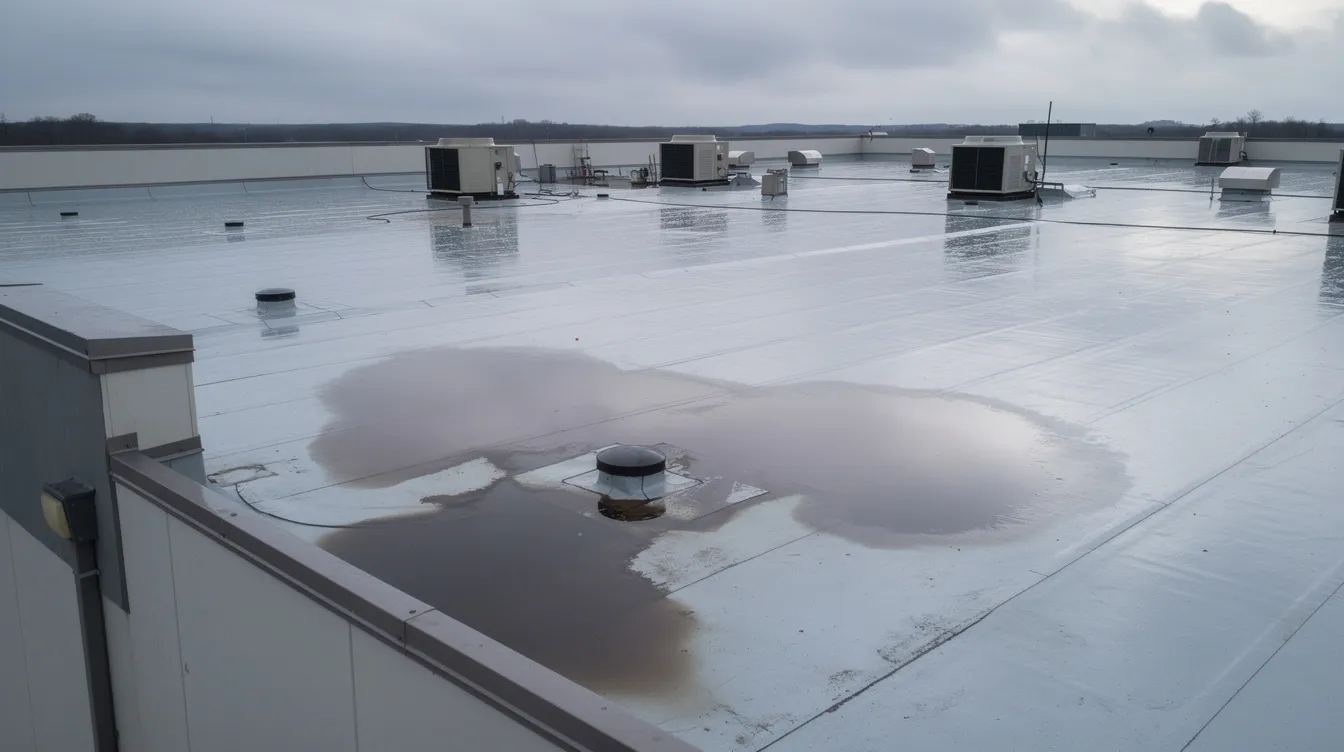
Chronic ponding water that stands longer than 48 hours after rain
Repeated flashing failures around parapets, skylights, or HVAC units
A flat roof must feature a slight incline to prevent ponding water. In a city like Houston, which experiences nearly 50 inches of rainfall a year, even a minor slope deficiency creates serious problems. Flat roofs in Houston handle water drainage differently than sloped roofs, so drainage design matters from day one.
Age guidelines matter. Many commercial flat roofs need full replacement between 20–30 years (TPO, modified bitumen) and 25–35 years (EPDM), depending on maintenance and climate. Flat roofing systems can last 15 to 30 years with proper installation, but once a roof pushes past those ranges under harsh weather conditions, patching becomes a money pit.
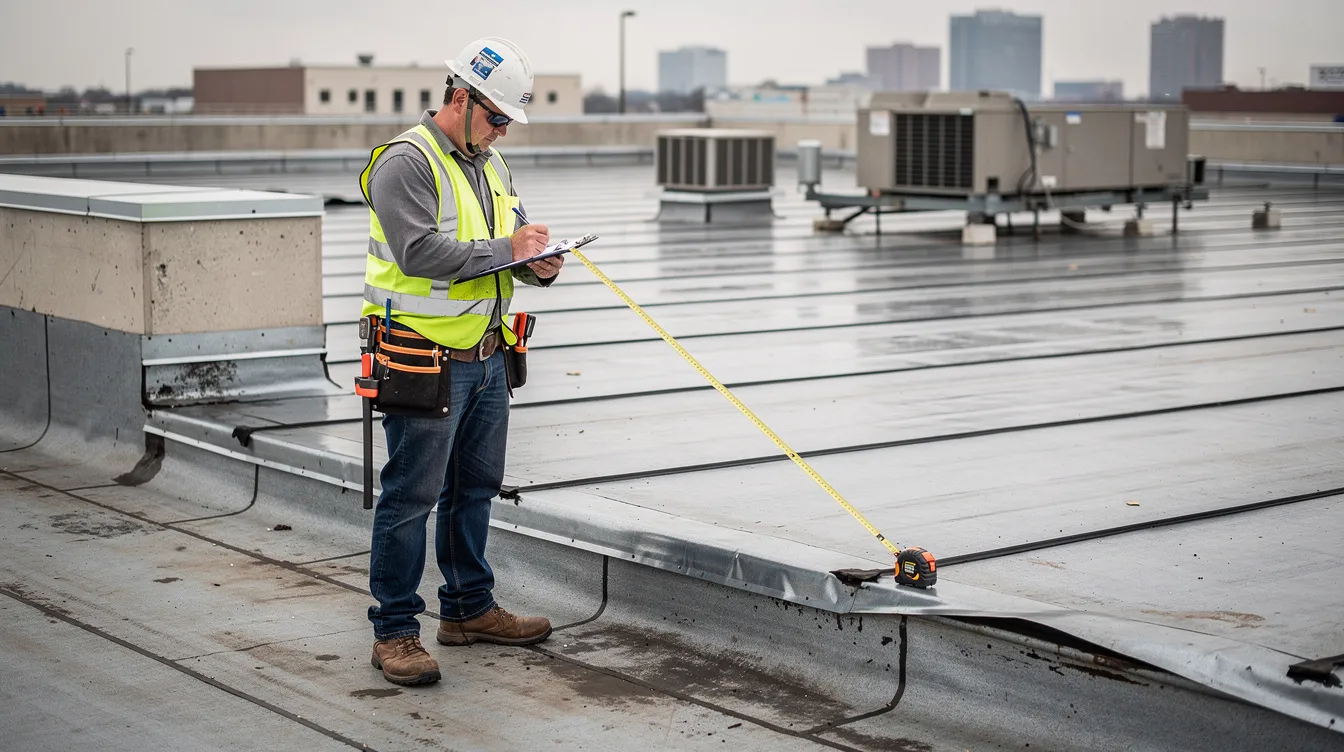
If more than 20–30% of the surface needs repair, most contractors will recommend a complete roof replacement as the more cost-effective long-term solution. A professional inspection should include walking the whole roof, checking seams and flashing, testing drainage, and examining the underside for moisture and structural issues.
Types of Flat Roofing Systems Contractors Install
Experienced flat roofing contractors install several membrane options and will match the system to the building’s needs. TPO and EPDM are common materials for flat roofing systems, but they’re far from the only choices. Here’s how the main options compare.
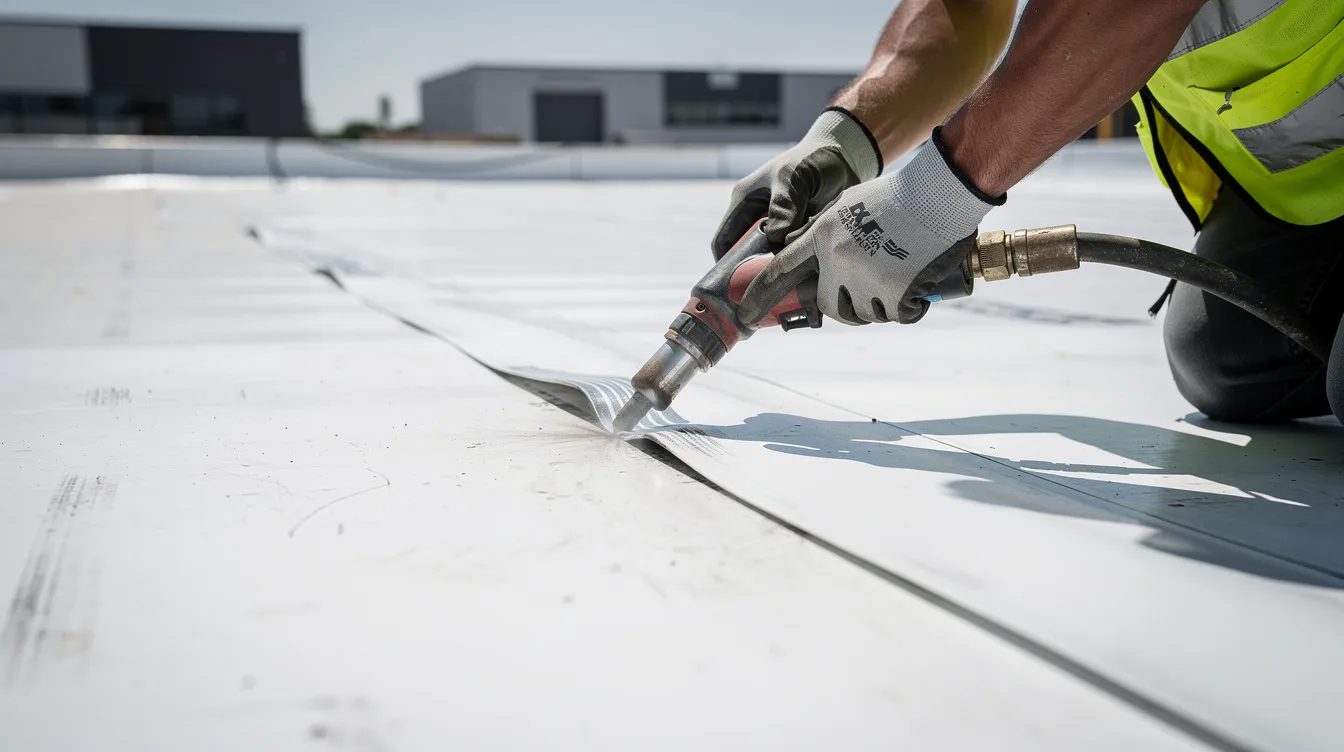
TPO (Thermoplastic Polyolefin) is a popular choice for commercial roofing and some residential roofing services. Its white reflective surface cuts cooling loads, and heat-welded seams create strong bonds. Typical lifespan: 20–30 years with proper installation.
EPDM rubber roofing is a proven performer on low-slope flat roofs. It handles freeze-thaw cycles well, making it a strong fit for colder climates. Both homes and commercial properties benefit from its flexibility and 25–35 year performance when maintained.
Modified bitumen is a multi-layer system often used on high-traffic or equipment-heavy commercial properties. Flat roofs are made from durable materials like SBS modified bitumen, and the redundancy of multiple plies gives this system a strong track record on complex roofs with many penetrations.
Other options include built-up roofing (BUR) and coatings applied over existing membranes to extend life. A qualified flat roofing company should explain pros, cons, and cost differences for each system. Flat roofing also allows for easy installation of HVAC systems on rooftops, and flat roofs provide additional usable space for outdoor areas or gardens-advantages worth factoring into your plan.
Flat Roof Replacement Contractors
Common Flat Roof Problems That Lead to Replacement
Many property owners first call a contractor when a specific issue appears. Here are the problems that most often signal the need for full replacement rather than a quick fix.
Ponding water and poor drainage top the list. Houston’s torrential downpours require proper drainage on flat roofs, and standing water accelerates membrane breakdown, adds structural loads, and saturates insulation. If the slope is wrong or drains are undersized, simple patching won’t solve the problem. Studies show ponding can reduce roof life by as much as 50%.
Membrane splits, cracks, and blistering are typical late-life issues. Isolated damage can be patched, but widespread splits across the field usually justify a complete roof replacement. Flat roof repairs can involve patching or complete replacement-the difference depends on how far the damage has spread.
Failed flashing and edge metal around walls, parapets, skylights, and HVAC bases account for a large percentage of leaks. Repeated flashing failures often show the system is at the end of its service life.
Impact damage from hail and wind-blown debris causes punctures and granule loss. Always inspect the deck and insulation before installing a new roofing covering, since hidden moisture beneath the membrane can compromise any new installation. Storm damage repair ties directly to potential insurance claims-professional documentation with photos and reports is essential.
Flat Roof Replacement Contractors
How to Evaluate and Choose Flat Roof Replacement Contractors
Choosing the right contractor is more important than the specific membrane brand. Flat roofs require specialized knowledge for proper installation, and not every roofer who excels at shingles is equipped to handle a TPO or EPDM job. Here’s a checklist.
Licensing and insurance. Texas does not mandate a statewide license for roofing contractors, which means the vetting burden falls on you. The Roofing Contractors Association of Texas offers a voluntary credentialing program that signals a higher level of expertise. Always verify insurance and workers’ compensation coverage for roofing contractors in Texas before any crew steps on your property.
Flat roof experience. Ask specifically about TPO, EPDM, and modified bitumen projects completed since at least the mid-2010s. A team that can show a portfolio of flat roof work in your climate zone is a better bet than one that mostly does steep-slope residential work.
In-house crews vs. subcontractors. Consistent in-house teams often provide better quality control and accountability. Ask who handles tear-off, insulation, membrane installation, and flashing detail.
Written scope of work. Contract disputes often arise from unclear contract specifications. Demand a written scope that covers removal of old layers, deck repairs, insulation values, drainage improvements, membrane type, and warranty terms before any contract is signed. Contractors must clarify what is included in their bids. Written communication can serve as proof in contractor disputes, and disputes can escalate to small claims court if unresolved-so keep everything documented.
References and reviews. Check feedback from both residential and commercial customers. Focus on leak performance 1–5 years after installation rather than appearance on day one. Top-tier manufacturers offer enhanced warranties only to certified contractors, so ask whether the contractor holds manufacturer certifications.
Multiple bids. Request multiple bids to identify unusually low or high estimates. Compare roofing bids not just on price but on system specifications. Obtaining multiple quotes can also help resolve disputes effectively if disagreements arise later.
What to Expect During a Flat Roof Replacement Project
Understanding the typical flow of a roofing project-from first phone call through final inspection-reduces anxiety and helps you hold your contractor accountable.
Inspection and proposal. The contractor visits, takes photos, checks for moisture, discusses repair vs. roof replacement, and delivers a detailed, itemized estimate or free estimate document. Flat roofing services include installation and repair options, and a good contractor will explain both paths honestly. Emergency roofing services are available 24/7 for flat roofs if you’re dealing with active leaks during storms.
Tear-off and preparation. Old membranes and wet insulation are removed. The deck is inspected for rot or corrosion. Slope and drainage are corrected with tapered insulation to reduce future ponding water.
Membrane installation. Seams are welded or adhered, flashing and edge metal are installed, and penetrations (vents, drains, skylights) are detailed for a watertight seal.
Timelines. Small residential flat roofs often take 1–2 days. Larger commercial roofing projects can run 3–7 days depending on size, weather conditions, and deck repairs. A case study of a retail property in Crowley, Louisiana shows that even phased commercial work-completed while the business stayed open-wrapped up in six working days.
Residential vs. Commercial Flat Roof Replacement
While materials may be similar, residential roofing services and commercial services differ in scope, access, and code requirements.
Residential considerations include smaller roof areas, integration with adjacent pitched roofs or decks, aesthetics that matter to the house, and coordination with interior renovations when ceilings are opened for leak repairs. Budget is often tighter, and out of pocket cost matters more when insurance doesn’t apply.
Commercial property needs involve larger contiguous flat roofs, heavy rooftop equipment, stricter fire and energy codes, and more complex drainage networks with multiple roof drains and scuppers. Flat roofs are often more cost-effective for commercial buildings because the simpler geometry reduces labor, and the roof can double as equipment space. Think warehouses, retail stores, and office buildings.
Commercial properties often require work to be staged to avoid business disruptions, protect inventory, and maintain safe access for employees and customers during the roofing project. Many flat roof replacement contractors specialize in either residential or commercial roofing-choose a company with a strong track record in your specific building type.
Costs, Insurance Claims, and Warranties for Flat Roof Replacement
Budget and risk protection are top concerns for every property owner. Here’s what to know.
Cost ranges per square foot (installed, including tear-off and disposal):
System
Price Range
EPDM
$5–$9/sq ft
TPO
$7–$12/sq ft
PVC
$9–$15/sq ft
Modified Bitumen
$6–$11/sq ft
Built-Up (BUR)
$5–$10/sq ft
Multiple existing layers, complex flashing, and tall buildings increase price. Detailed written estimates for roofing projects should include itemized costs so you can see exactly where your money goes. A 10,000 sq ft commercial roof might run $70,000 to $150,000 overall.
Insurance claims. Storm damage from hail and wind is often covered by property insurance. A good contractor can assist with inspections, photos, reports, and meeting the insurance adjuster to support insurance claims. Avoid storm-chaser contractors who canvass neighborhoods after weather events-verify licensing, references, and coverage first.
Warranties. A typical manufacturer’s warranty lasts 10 to 30 years for flat roofs. Labor warranties for flat roofing range from 15 to 30 years from quality contractors, and some roofing companies offer lifetime warranties on flat roofs. Warranties cover defects in materials and workmanship for specified periods. Warranties may remain valid even if the contractor goes out of business, provided the manufacturer backs the membrane. Ask how warranty service works in practice: response times, documentation, and whether periodic maintenance is required to keep coverage valid.
How to Get a Free Estimate and Prepare for Your Contractor Visit
Most reputable flat roofing companies offer a free estimate. Good preparation makes that visit more productive and helps you assess whether each roofer truly has the expertise to handle the job.
Before the appointment, gather:
Roof age and past roof repair invoices
Photos of leaks, stained ceilings, or visible membrane damage
Any previous inspection reports from 2020 onward
Make a written list of concerns-areas where ponding water appears, rooms where leaks occur, rooftop equipment you plan to install-and review it with the contractor on site.
Schedule estimates when someone with decision-making authority can attend, ask questions about materials and timelines, and compare multiple bids on equal scopes of work. After the visit, confirm in writing what is included: tear-off, new insulation, drainage changes, membrane type and thickness, clean-up, and warranty documents.
Flat Roof Replacement Contractors
FAQs: Flat Roof Replacement Contractors
How many quotes should I get before choosing a flat roof replacement contractor?
Two to four detailed written estimates are usually enough to compare scope, price, and approach without causing decision fatigue. The key is comparing apples to apples-check that each quote includes similar tear-off, insulation, membrane thickness, flashing work, and warranty periods before you figure out which contractor offers the best value.
Can I replace only part of my flat roof to save money?
Partial flat roof replacement is sometimes possible but can create future seam and warranty issues where new membrane meets old material. Any partial replacement must be clearly defined in the contract with drawings or written descriptions of which roof sections are included to avoid disputes.
Do flat roof replacement contractors work year-round?
In many regions, contractors can replace flat roofs from spring through late fall, but extreme cold, snow, or heavy rain can delay projects. Ask prospective contractors about their minimum temperature limits and how they protect open roof areas during sudden weather changes.
Will a new flat roof lower my energy bills?
White, reflective membranes like many TPO and modified bitumen systems can reduce cooling loads in warm or sunny climates. A case study in New Orleans showed improved HVAC efficiency after replacing dark EPDM with reflective TPO. Ask contractors about insulation upgrades and cool-roof options if energy performance is a priority for your building.
How often should my new flat roof be inspected after replacement?
Professional inspections every one to three years-plus after major storms-catch minor issues early and keep warranties valid. Routine maintenance like clearing debris from drains, checking seams, and inspecting flashing significantly extends the life of flat roofs and helps you avoid the kind of damage that leads to replacing the whole roof again prematurely.
Selecting the right commercial roofing materials replacement is a critical financial and operational decision that directly impacts your facility’s long-term maintenance costs, structural integrity, and energy consumption. Modern commercial roofing…
Key Takeaways Why Commercial Roof Replacement Cost Matters A commercial roof does more than keep rain out. It protects inventory, equipment, tenant operations, and the underlying structure of your building.…
Calculating the total commercial roof replacement cost Houston is one of the most critical decisions facing commercial property owners, real estate developers, and facility managers across the Greater Houston market.…